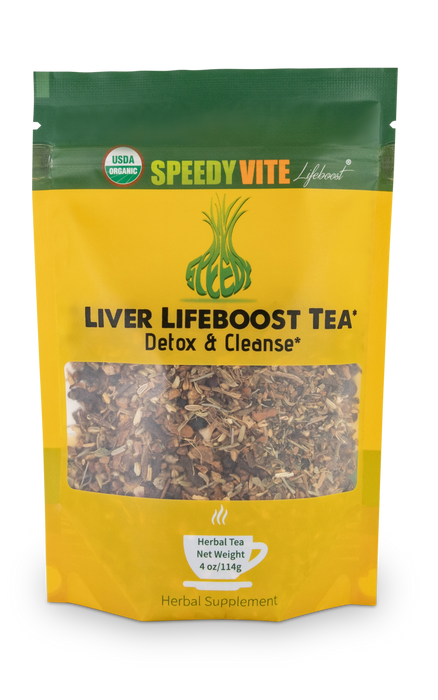
SpeedyVite® Liver LifeBoost® Tea - 4 oz Loose-Leaf (USDA Organic)
Your body works best when it can process what it takes in and let go of what it doesn't need.
Organic loose-leaf herbal tea with roasted dandelion, chicory & burdock to support everyday cleansing and comfortable digestion.* Whether you've supported your liver with herbs before or you're just looking for a natural way to feel a bit more balanced day to day, this is a good place to start.* Caffeine-free. Ships free.*
Why people like it
- Thoughtfully composed herbs used by herbalists for routine cleansing support*
- Loose leaf, brew the way you like
- Simple directions; easy to make a daily wellness ritual*
- Made in the USA with organic & wildcrafted ingredients
-
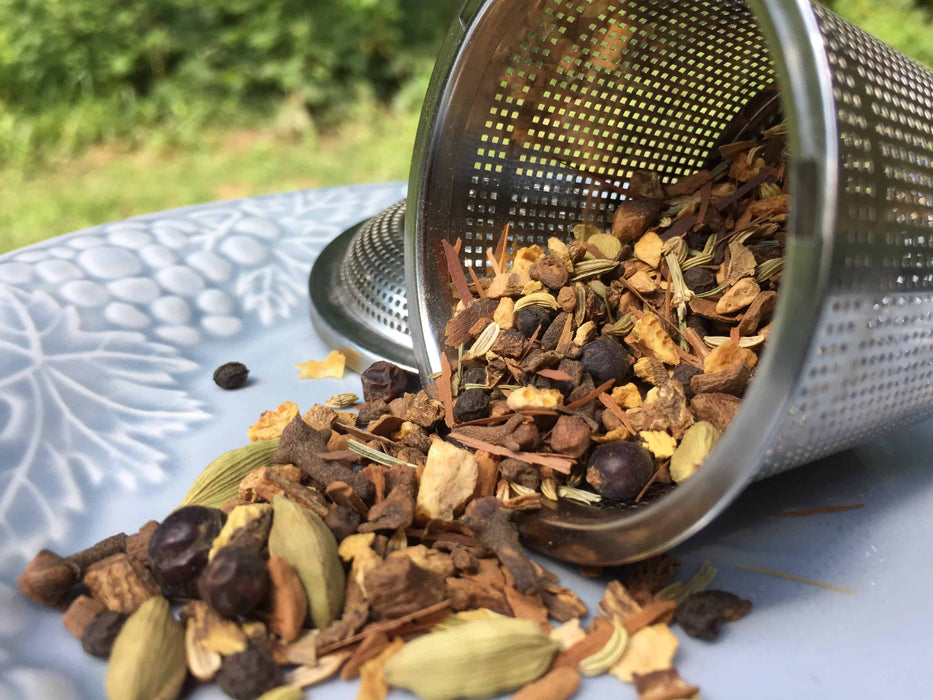
Flavor profile: warm, chai-like spices with a smooth roasted note (no tea-leaf caffeine)
USDA Organic Ingredients Loose Leaf Small-Batch Crafted Made in USA
Also available in 8 oz (2x 4oz) loose-leaf.
What it does (in plain language)
-
Everyday support: A practical way to support the body's normal pathways of elimination and routine cleansing.*
-
Comforting ritual: Enjoy as a warm, flavorful cup; pairs well with hydration and balanced meals.* The warming spice profile gives a pleasant, chai-like experience.
-
Flexible strength: Adjust the brew to your preferred intensity, from a light everyday cup to a stronger detox-strength brew.
-
Simple & natural: A straightforward herbal blend with a familiar, roasted note from dandelion.*
"This tea is tasty unlike many other medicinal teas. Maximum benefits are derived from simmering for a few minutes and then allowing to steep. You can't beat the great taste of this healthy tea."
- tyjuanna, Verified Customer
Directions & Recommended Use
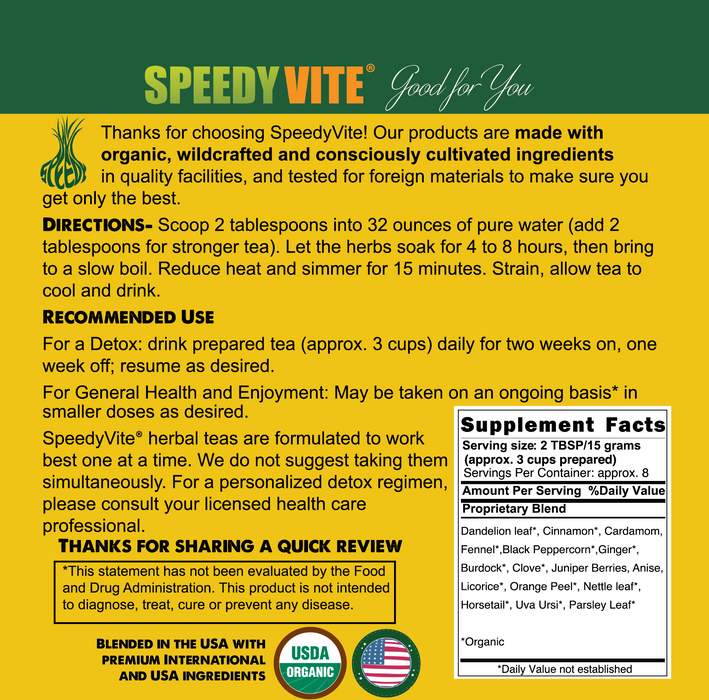
For maximum potency, prepare as follows: Scoop 2 tablespoons into 32 ounces of pure water (add 2 tablespoons for stronger tea). Let the herbs soak for 4-8 hours, then bring to a slow boil. Reduce heat and simmer for 15 minutes. Strain, allow tea to cool, and drink.
-
For a Detox: Drink prepared tea (approx. 3 cups) daily for two weeks on, then take one week off; resume as desired.
-
For General Health & Enjoyment: May be taken on an ongoing basis* in smaller doses as desired.
SpeedyVite® herbal teas are formulated to work best one at a time; we do not suggest taking them simultaneously. For a personalized regimen, consult your licensed health care professional.
What Each Herb Does*
Every herb in this blend has a specific traditional role in liver wellness and flavor.*
Organic Dandelion Leaf
Traditional liver tonic for bile flow and gentle detoxification.* Provides the roasted, earthy base of the blend.*
Organic Burdock Root
Traditional blood purifier and liver supporter, long used in herbal medicine traditions.*
Organic Nettle Leaf
A nutrient-dense herb traditionally used for vitality and gentle natural cleansing.*
Cinnamon, Ginger & Cardamom
Warming spices that give the tea its distinctive chai-like character and support comfortable digestion.*
Organic Fennel & Organic Clove
Traditionally used to round out digestive blends with a comforting, aromatic quality.*
Anise Star & Juniper Berry
Classic additions to traditional herbal cleansing blends, contributing both flavor and time-honored use.*
Organic Licorice & Organic Orange Peel
Add natural sweetness and brightness, balancing the deeper roasted and spiced notes in the blend.*
Organic Uva Ursi, Horsetail & Parsley Leaf
Traditional botanicals that round out the formula, supporting the body's broader natural filtration processes.*
Ingredients
Made with organic, wildcrafted & consciously cultivated ingredients: Organic Dandelion leaf, Cardamom, Organic Black Peppercorn, Organic Cinnamon, Organic Burdock Root, Organic Ginger Root, Organic Fennel, Organic Clove, Anise star, Juniper Berry, Organic Licorice, Organic Orange Peel, Organic Uva Ursi, Organic Shavegrass (Horsetail) Herb, Organic Nettle Leaf, Organic Parsley Leaf.*
*Some ingredients certified organic; see label panel for details.
Who This Tea Is For
Liver LifeBoost® Tea is designed to support a wide range of wellness goals. You might find it helpful if you're:
-
Supporting weight loss & metabolism: The liver plays a key role in fat metabolism and bile production, which helps digest dietary fats.*
-
Recovering from alcohol or weekend indulgence: Give your liver a gentle reset after drinking, rich meals, or social events.*
-
On long-term medications and monitoring your liver: People taking immunosuppressants, statins, methotrexate, or other medications that are processed by the liver are often advised to be proactive about liver wellness. Many customers in this situation incorporate this tea as a gentle daily supportive habit alongside their medical care. Dandelion root and burdock root have centuries of traditional use as liver tonics.* We always recommend discussing any new supplement with your prescribing physician first, especially if you are on medications that affect liver function.
-
Concerned about fatty liver: Dandelion and burdock root have been traditionally used to support liver health and bile flow.*
-
Looking for more energy & vitality: A healthy liver contributes to better energy levels, clearer thinking, and overall wellness.*
-
Following a general detox routine: Whether you're doing a seasonal cleanse or just want daily liver support, this tea fits into your routine.*
Pairs Well With
For a more complete detox routine, consider pairing Liver LifeBoost® Tea with:
Colon LifeBoost® Tea - Start Here First
Detox doesn't work if waste can't exit. Start with Colon LifeBoost® Tea to support healthy elimination, then follow with Liver Tea for deeper metabolic and digestive support.* Many customers do a two-week colon cleanse, then transition to liver support.
Blood LifeBoost® Tea - Complete the Cycle
The liver purifies your blood. Pair Liver LifeBoost® with Blood LifeBoost® Tea to support both liver filtration and healthy blood circulation for a comprehensive cleansing routine.*
Product Specs & Quality
-
Formats: 4 oz Loose Leaf, 8 oz Loose Leaf (2 x 4 oz)
-
Serving size (loose): 2 TBSP / ~15 g (approx. 3 cups prepared), Servings per 4 oz: approx. 8
-
Facility & testing: Made in the USA; small-batch crafted and tested for foreign materials.
Learn More
Dandelion Root for Liver Health
Deep dive into the star herb of this formula, bile production, gentle detox support, and what to realistically expect.*
Read the Blog →
From Fatigue to Freedom: Liver Support for Energy
How a sluggish liver causes tiredness and how herbal support can help restore vitality.*
Read the Blog →
Liver Detox for Weight Loss: Does It Work?
Honest take on the liver-metabolism connection, what's real, what's a myth, and realistic expectations.*
Read the Blog →
Liver Recovery: Supporting Your Body After Liver Stress
The liver's remarkable regenerative capacity and how to support it gently over time.*
Read the Blog →
Fatty Liver: Understanding NAFLD and Natural Support
Clinical overview of NAFLD with honest discussion of what herbs can and cannot do.*
Read the Blog →
Burdock Root for Liver Health
The underrated root with strong traditional use for bile stimulation and blood cleansing.*
Read the Blog →
Frequently Asked Questions
What does liver detox tea actually do?
Liver LifeBoost Tea is a blend of organic and wildcrafted herbs traditionally used to support the liver's natural function, particularly bile production, comfortable digestion, and routine elimination. The core herbs, dandelion root, burdock root, and nettle leaf, have centuries of traditional use as liver tonics. The blend also includes warming spices like ginger, cinnamon, and cardamom that support digestion and give the tea its distinctive chai-like character.*
Read more about dandelion root and liver health.
What does this tea taste like?
Rich, warm, and chai-like, with roasted dandelion providing a smooth earthy base, and cinnamon, ginger, cardamom, clove, and anise adding warming spice notes. It's one of SpeedyVite's most enjoyable flavor profiles. Naturally caffeine-free, it works morning or evening. A touch of honey or stevia rounds it out nicely if you prefer it sweeter.
Does it contain caffeine?
No. Liver LifeBoost Tea is completely caffeine-free. The blend uses no black or green tea, just organic botanicals and spices. This makes it suitable for evening use and for people sensitive to caffeine.
How do I prepare it for maximum potency?
Scoop 2 tablespoons into 32 oz of pure water. Let herbs soak 4-8 hours, then bring to a slow boil. Reduce heat and simmer 15 minutes. Strain, cool, and drink. Add 2 extra tablespoons for a stronger brew. The denser botanical ingredients in this blend benefit from a longer steep than lighter herbal teas.
How long does it take to notice results?
Most customers doing a focused detox protocol notice changes in digestion and energy within the first 1-2 weeks. For general daily wellness support, changes are more gradual over weeks of consistent use. Results vary significantly by individual, diet, hydration, and baseline liver health.
Read more about liver support and energy.*
Can liver cleanse tea help with weight loss?
The liver plays a central role in fat metabolism and bile production, which helps digest dietary fats. Supporting healthy liver function can support a healthier metabolism, but this tea is not a weight loss product and should not be expected to replace diet and lifestyle changes. Think of it as supporting the foundation, not doing the work itself.*
Read the honest take on liver detox and weight loss.
Can I brew liver tea and kidney tea together?
We recommend preparing and drinking them separately rather than brewing them together. Each is a focused, targeted blend, combining them dilutes the benefit of each. For an intensive detox, start with kidney tea for 1-2 weeks, then move to a full liver protocol. For general daily wellness use, a cup here and there, you can prepare each separately and take them interchangeably throughout the day.*
Should I start with colon cleansing before liver cleansing?
Many customers and herbalists recommend supporting the colon first, the logic being that a well-functioning colon gives the liver's waste products a clear exit route. Starting with
Colon LifeBoost Tea for 1-2 weeks, then transitioning to Liver LifeBoost Tea, is a common and sensible approach.*
Does this tea contain milk thistle?
No, milk thistle is not in this formula. If you are specifically looking for milk thistle, our
Classic Liver/Gallbladder Drops contain milk thistle seed extract alongside other wildcrafted herbs. Many customers use the tea for daily support and the drops for a more targeted protocol.*
What is the difference between the tea and the liver drops?
The tea is a warm, traditional herbal brew with a rich chai-like flavor, ideal as a daily ritual and the most immersive experience. The
Liver/Gallbladder Drops are a concentrated wildcrafted tincture with a different herb profile including milk thistle, convenient for travel, faster to take, and suited to those who want a more targeted or intensive approach. Many customers use both: tea daily, drops for a focused cleanse cycle.*
Is it safe during pregnancy or breastfeeding?
We recommend consulting a qualified healthcare professional before use during pregnancy or while breastfeeding. Some herbs in this blend, including juniper berry and uva ursi, are traditionally avoided during pregnancy.
Is it made in the USA?
Yes. Liver LifeBoost Tea is small-batch blended and packed in the USA using organic, wildcrafted, and consciously cultivated ingredients. It is tested for foreign materials and crafted in a GMP-compliant facility.
*These statements have not been evaluated by the Food and Drug Administration. This product is not intended to diagnose, treat, cure, or prevent any disease. Discontinue use immediately if any allergic or other adverse reaction occurs. Do not use past the expiration date.